
Our tool for managing your permission to our use of cookies is temporarily offline. Therefore some functionality requiring your consent to use of cookies may be missing.
What makes a car brand British?
When a car brand is described as British, it’s often referring to more than one thing. A brand's identity can be shaped by where it was founded, plus where it’s owned, designed, and built.
Many of the UK's biggest automotive names have deep British roots, having been founded in Britain and helping shape the country's motoring history. But over time, ownership structures have changed as global automotive brands have invested and grown across international markets.
Today, a car brand can be British-founded, British-built, or both. Even if it’s owned by an international company.
British-founded, British-owned, British-built. What's the difference?
These terms are often used interchangeably, but they have different meanings. So let’s clear things up.
British-founded refers to a brand that was born in the UK, while British-owned means the company is owned by a UK-based business or investment group. British-built describes cars manufactured in Britain, regardless of where their HQ is. A lot of car brands fall into more than one of these categories, while for others it may only be one or two.
Some British-origin car brands have joined international automotive groups. For example, MINI and Rolls-Royce Motor Cars are part of BMW Group, Bentley is part of Volkswagen Group, and Jaguar Land Rover is owned by Tata Motors. So International ownership doesn’t have to mean that a brand has lost its British heritage, or that it no longer makes cars in Britain.
Can a foreign-owned company still manufacture cars in Britain?
Yes. Ownership and manufacturing location aren’t the same thing.
Here’s why:
Many internationally owned car brands still invest in UK production facilities, employ British workers and manufacture vehicles in Britain. Modern car production today hugely benefits from global ownership, international supply chains and manufacturing expertise – all of which span multiple countries.
Examples of British-origin automotive brands with international ownership.
Several iconic British car brands are now owned by international companies – but they’re still running significant operations and maintaining heritage in the UK.
For example, MINI is part of BMW Group; Rolls-Royce Motor Cars is part of BMW Group; Bentley Motors is part of Volkswagen Group and Jaguar Land Rover is owned by Tata Motors. These brands all keep a strong connection to Britain through their history, workforce, facilities, engineering expertise or manufacturing operations.
Why is MINI widely regarded as a British automotive brand?
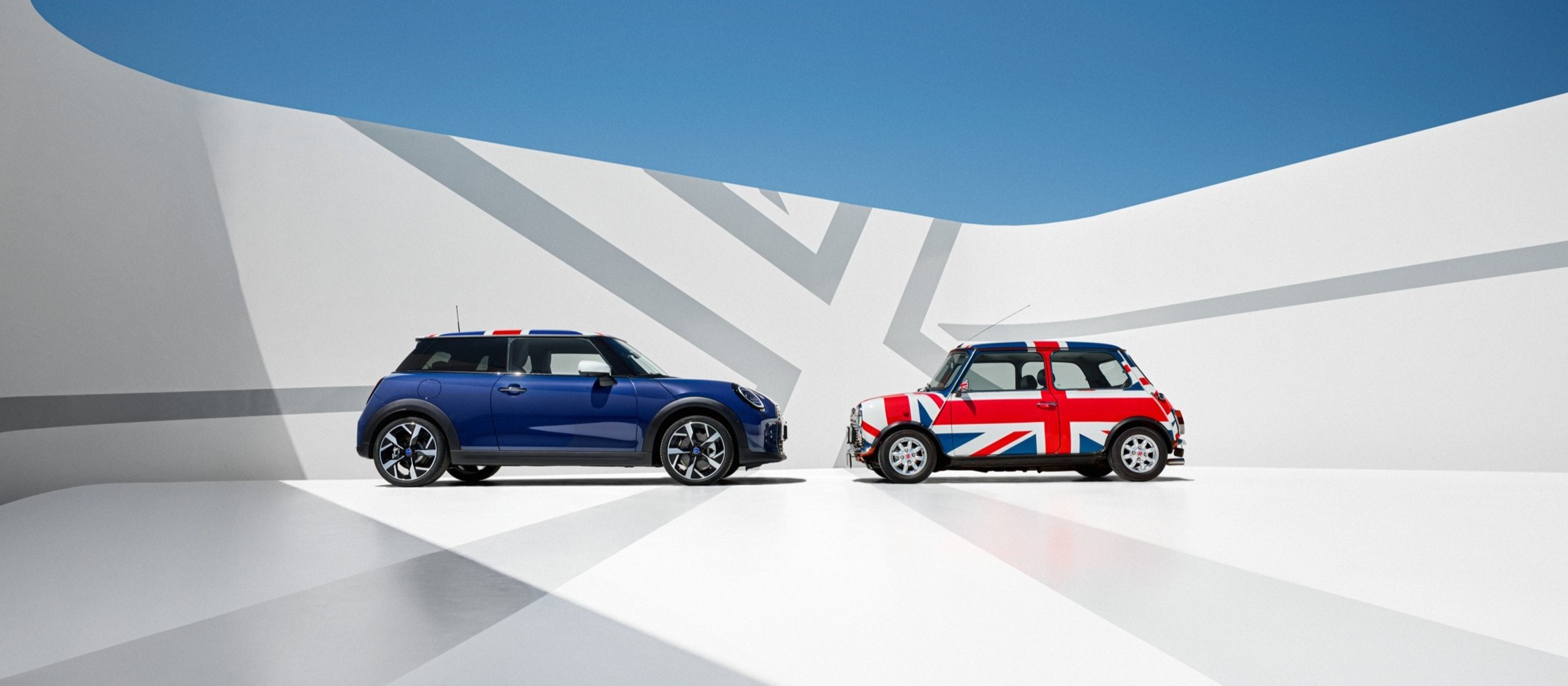
The launch of the original Mini back in 1959 cemented its identity as a British icon in the motoring industry. Designed in Britain and built for British roads, it became one of the most influential small cars ever produced.
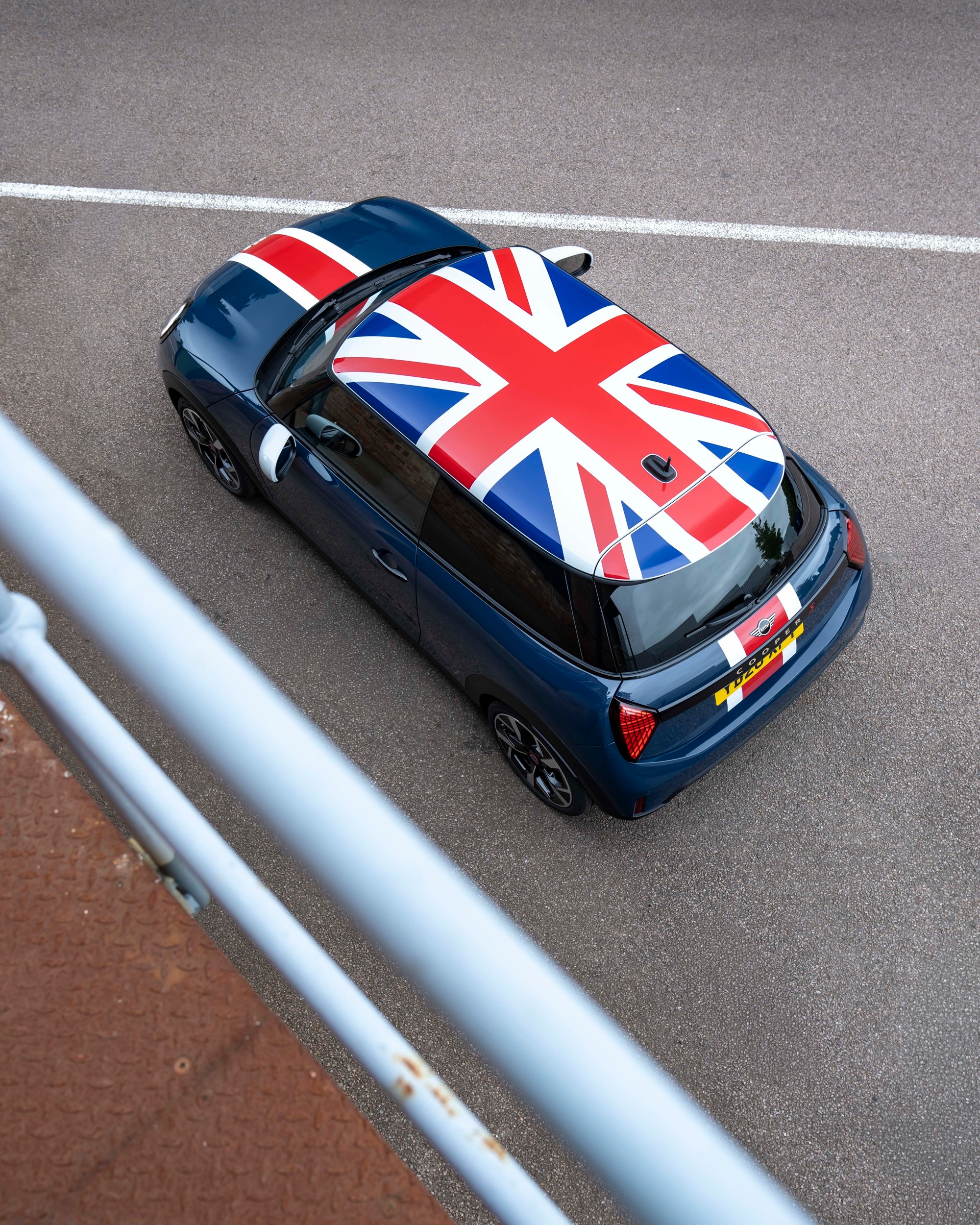
The strong British roots of MINI continue today, through design, engineering, manufacturing and its long history in Oxford. Although owned by BMW Group, the brand's heritage, history and continued production in Britain mean it’s widely recognised as a British car brand.
Which MINI models are built in Oxford?
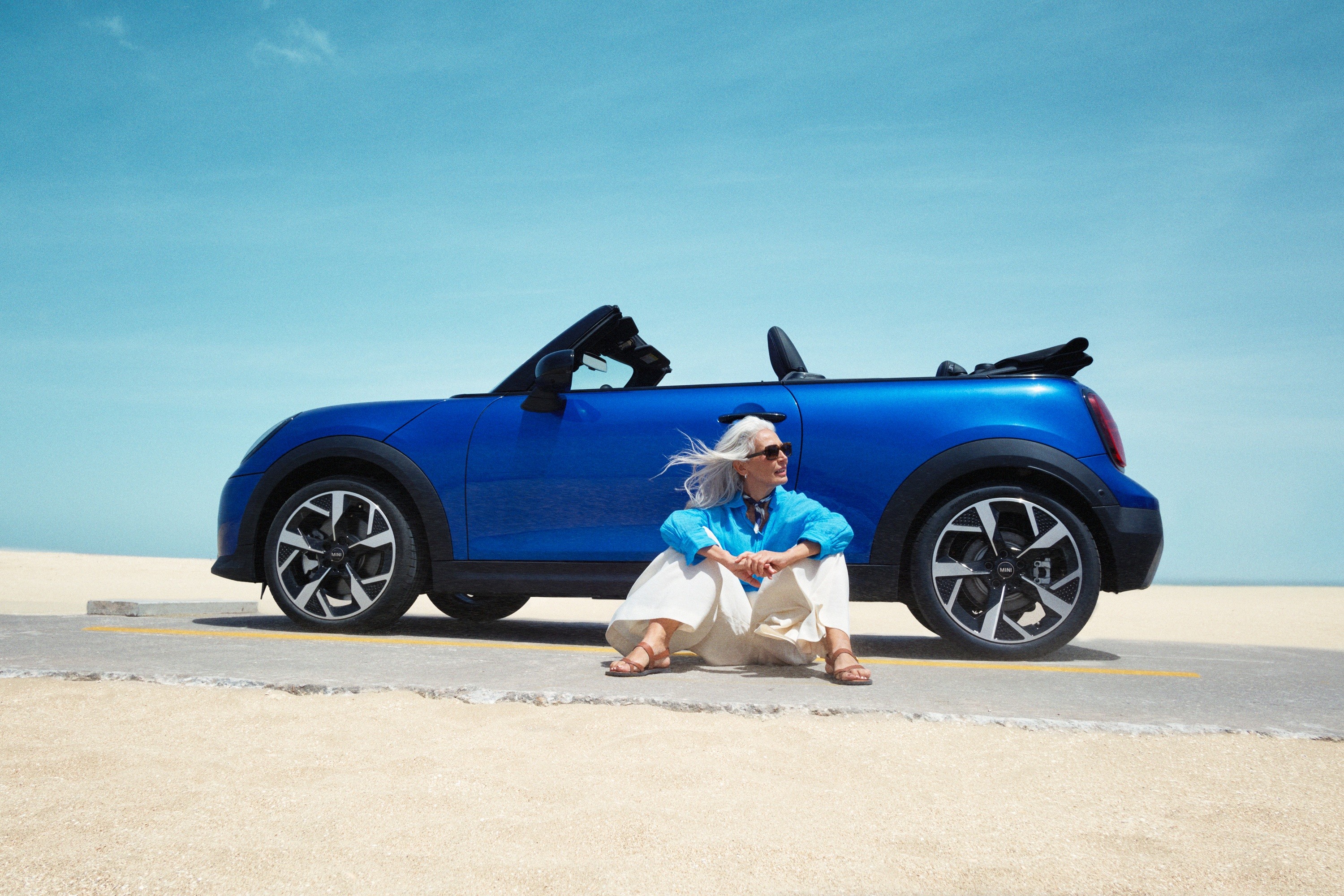
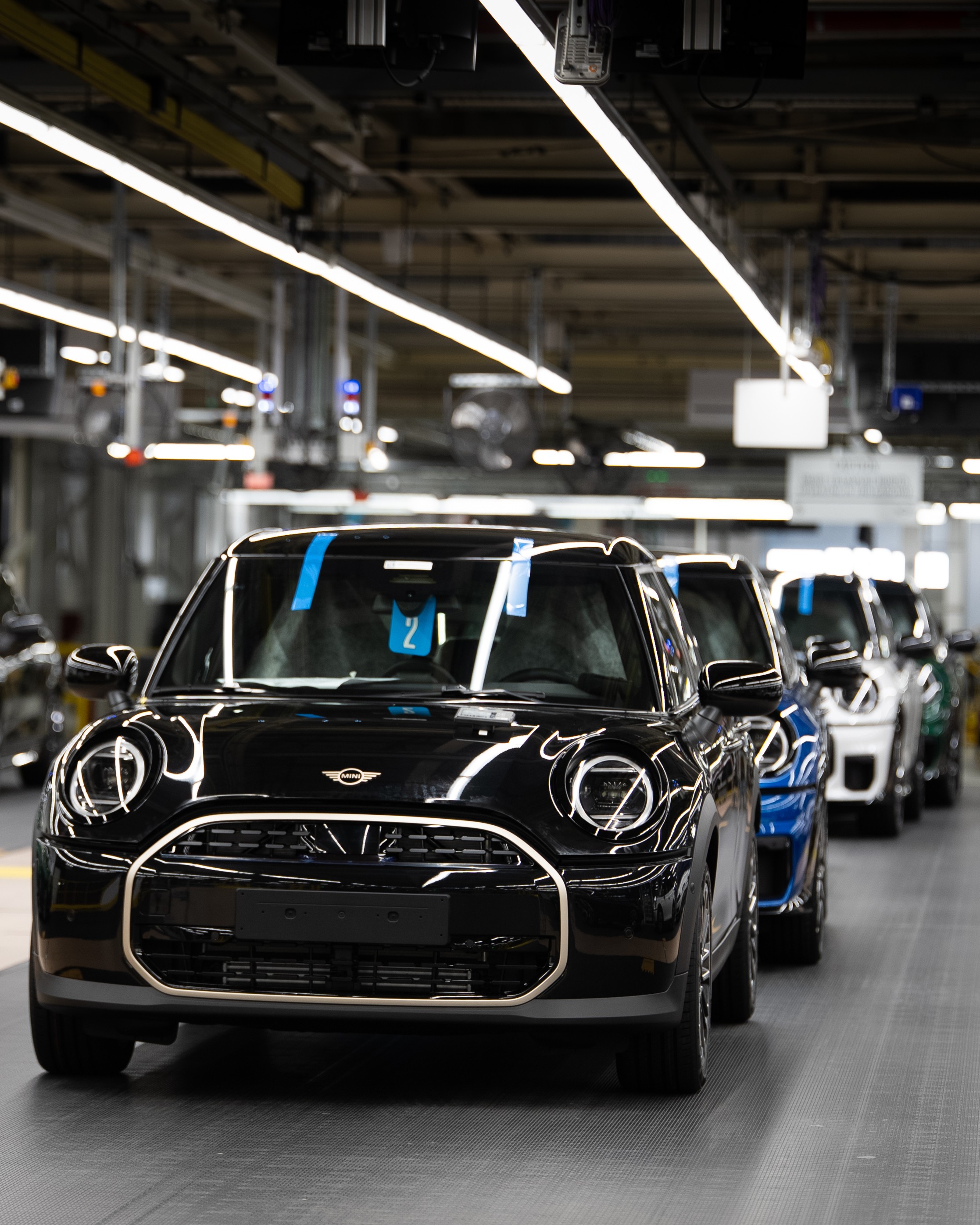
Plant Oxford is the home of MINI production in the UK. It’s where the MINI Cooper 3-Door, MINI Cooper 5-Door and MINI Cooper Convertible are produced, with thousands of cars manufactured there each year for customers in the UK and around the world. Plant Oxford, along with the wider MINI production network, plays a key role in bringing the modern MINI from concept to customer.
Over the years, many different MINI models have been built at Plant Oxford, helping to shape the brand’s rich heritage. Today, former Oxford-built models such as the MINI Clubman and the original MINI Cooper Electric continue to be popular choices on the used car market, alongside many other MINI models produced at the plant throughout its history.
The role of Plant Oxford in the modern MINI story.
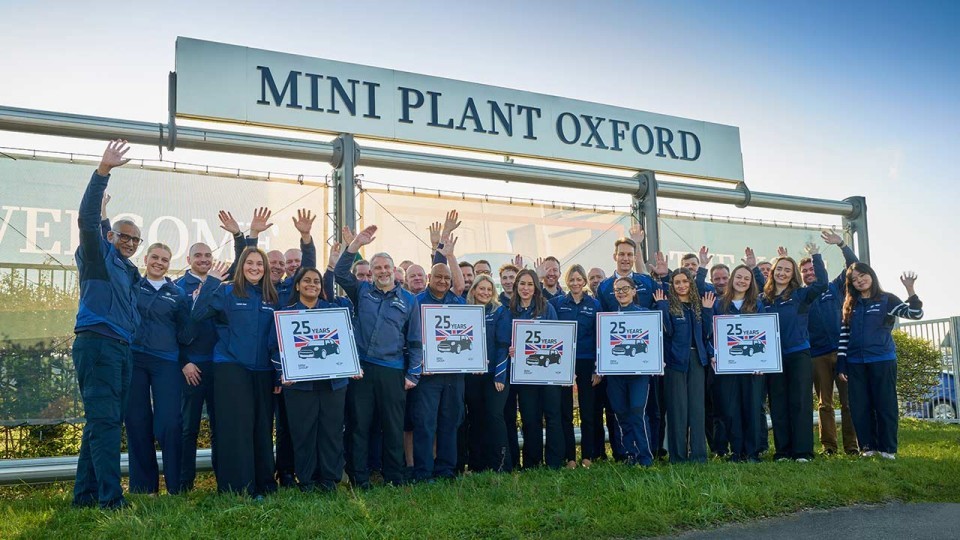
Plant Oxford is at the heart of MINI manufacturing, combining advanced manufacturing technology with a skilled workforce. The plant has been involved with the brand for decades and is still an important part of the UK's automotive industry. Today, cars built in Oxford are exported to markets around the world, helping connect the British heritage of MINI with a global customer base. Plant Oxford represents the link between MINI's past and present, reinforcing the brand's position as a British icon, built in Britain.
FAQs.
Yes. MINI is widely regarded as a British car brand because it was founded in Britain, has a long British automotive heritage, and continues to manufacture vehicles at Plant Oxford. While MINI is part of BMW Group, its roots, history and ongoing UK production remain central to the brand's identity.
No. MINI is owned by BMW Group, a global automotive company headquartered in Germany. However, ownership and heritage are not the same thing. MINI retains its British origins and continues to manufacture vehicles in Britain.
MINI vehicles are produced at several manufacturing facilities around the world. In the UK, Plant Oxford in Oxfordshire is a key production site and remains an important part of the MINI manufacturing network.
Plant Oxford currently produces the MINI Cooper (3-Door and 5-Door petrol models) and MINI Cooper Convertible. The facility plays a central role in MINI's global production network, building vehicles for customers in the UK and international markets.
Plant Oxford is MINI's main UK manufacturing facility and one of the most recognisable automotive plants in Britain. The site has a long connection with MINI production and continues to support thousands of jobs and vehicle exports.
Yes. A car brand's nationality is often linked to its origins, heritage and manufacturing presence rather than solely its ownership structure. Many well-known British-origin automotive brands are owned by international companies while continuing to design, develop or manufacture vehicles in Britain.
British-built refers to vehicles that are manufactured in Britain. A car can be British-built regardless of where the parent company is headquartered or where the brand is owned.
British-founded means a brand was originally established in the United Kingdom. MINI, for example, traces its origins back to the launch of the classic Mini in Britain in 1959.
No. MINI operates a global production network, and different models are built at different facilities. However, Plant Oxford remains a key manufacturing location and continues to produce selected MINI models in Britain.
MINI is closely associated with Britain because of its origins, design heritage, cultural significance and longstanding connection to Oxford. The classic Mini became a symbol of British motoring, and today's MINI continues that legacy through its presence in the UK.
Several British-origin automotive brands are owned by international automotive groups. Examples include Rolls-Royce Motor Cars (BMW Group), Bentley Motors (Volkswagen Group) and Jaguar Land Rover (Tata Motors). Despite international ownership, these brands maintain strong links to Britain through their heritage and operations.
MINI is owned by BMW Group, but the brand itself is still widely recognised as British. Its heritage, origins and continued manufacturing presence at Plant Oxford contribute to its identity as a British automotive brand.